
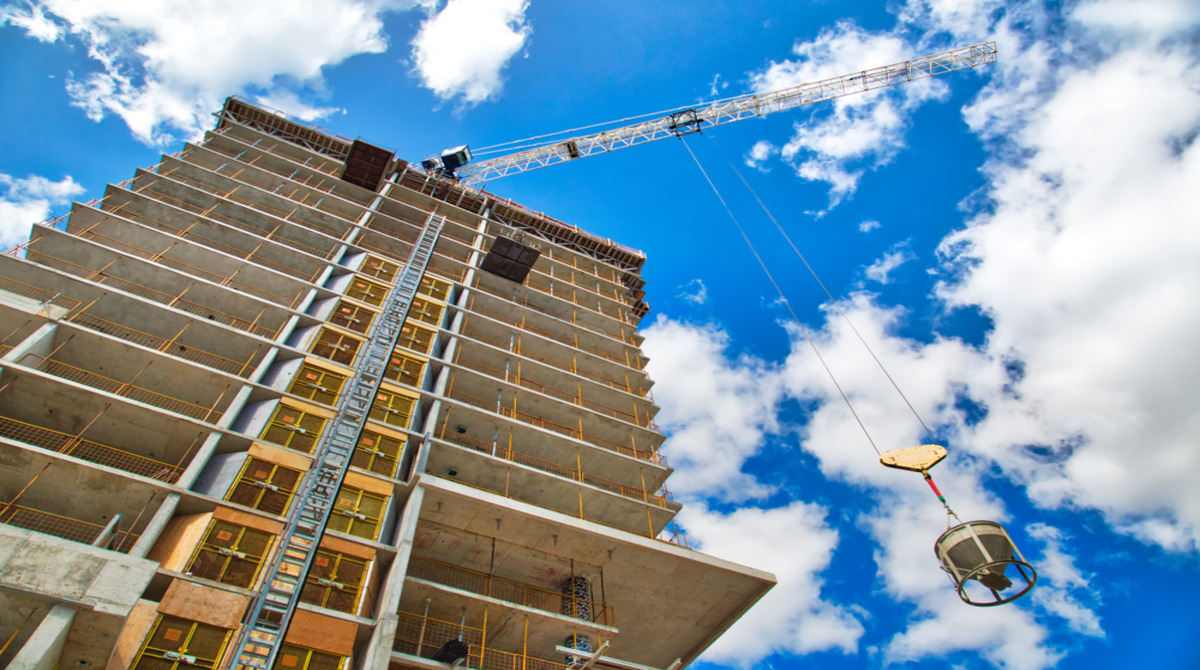
Toronto’s once-dominant condo construction engine is grinding to a halt, and the impacts will be felt far beyond today’s skyline. While cranes still dot parts of the city, new condo starts have fallen to levels not seen in decades. For builders, trades, and the broader construction workforce, this slowdown signals a profound shift that will influence housing supply, project pipelines, and labour availability well into 2027 and 2028.
A Collapse in New Condo Starts
Through the end of September, just 2,540 new condominium units broke ground in Toronto. According to Canada Mortgage and Housing Corporation data, this represents the lowest level of condo starts since at least 1998 and a 79 per cent decline compared to last year. The slowdown is even more pronounced on the sales side, where only 714 new condos were sold in the first ten months of 2025, down sharply from prior years.
For an industry that relied on steady presales to trigger construction financing, these numbers are critical. Condo towers typically require three to five years from groundbreaking to completion. Projects delivering homes in 2027 and 2028 needed to begin construction in 2024 and 2025. Many did not, setting the stage for a future shortage that could tighten both ownership and rental markets.
Why Projects Are Not Moving Forward
The core challenge is financial feasibility. Lenders usually require at least 70 per cent of units to be presold before releasing construction financing. In early 2025, only 45 per cent of Toronto’s pre-construction condo units had buyers, far below the threshold needed to proceed.
Toronto Today reports that rising interest rates amplified the problem. Borrowing costs jumped from pandemic-era lows below two per cent to four or five per cent. Investors who once relied on rental income to cover carrying costs found the math no longer worked. At the same time, resale prices declined, eroding confidence in flipping or assignment sales.
Construction costs have added further pressure. High-rise construction costs are up approximately 76 per cent, while municipal development charges have surged. Development charges on a one-bedroom condo have climbed from roughly $8,300 in 2013 to nearly $53,000 today, with larger units facing even steeper increases. These costs make it difficult for developers to price units at levels buyers will accept while maintaining viable margins.
Implications for Construction and Trades
The slowdown is not just a housing issue. It directly affects construction employment and trade demand. Toronto has lost an estimated 34,600 construction jobs since late 2023, and unemployment in the sector reached 10 per cent earlier this year.
High-rise condo construction supports a wide ecosystem of skilled trades and suppliers. When projects stall, those workers often shift to infrastructure, institutional projects, or leave the region altogether. The concern for contractors is that when the condo market eventually recovers, experienced crews may no longer be available at the scale required.
The Emerging Shift Toward Rentals
Not all stalled projects are disappearing. A growing number are being reconfigured as purpose-built rental developments. This year alone, more than 27,000 units initially planned as condos have switched to rental formats. Federal incentives, including low-cost financing and GST relief, have made rental projects more viable during a period of weak condo demand.
From a construction standpoint, rental conversions can keep crews working, but they do not fully replace the volume or diversity of high-rise condo pipelines that once dominated Toronto’s market.
A Dry Pipeline Ahead
Roughly 35,000 condo units currently under construction will be delivered over the next two years. After that, the pipeline thins dramatically. Analysts warn that without new starts, Toronto could face an acute housing shortfall just as population growth and household formation rebound.
The risk is a cycle where supply constraints push prices and rents higher, reigniting demand at a time when construction capacity has been weakened by layoffs and workforce attrition.
Looking Ahead
Toronto’s condo construction pause is reshaping the industry in real time. While today’s slowdown may ease short-term pressure on the market, its delayed effects could prove far more disruptive. For contractors and trades, adaptability will be critical, whether that means pivoting to rentals, infrastructure, or institutional work while preserving the skills needed for the next condo cycle.
When demand eventually returns, the question will not only be whether buyers are ready, but whether the construction workforce is still there to build.



