
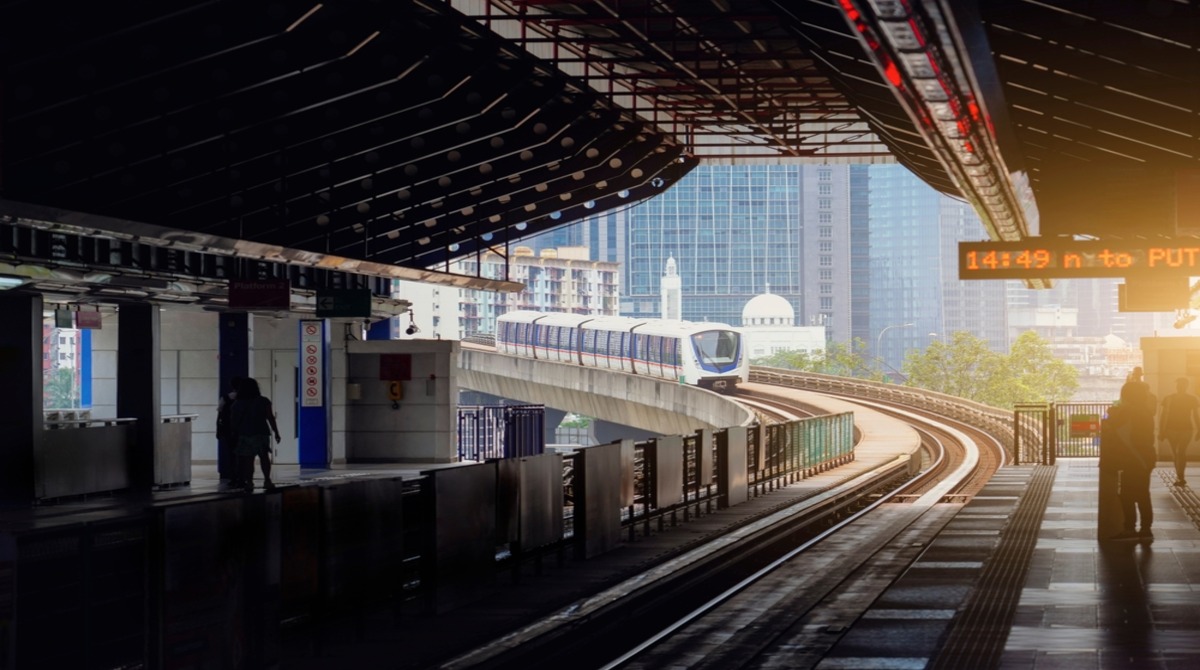
The Ontario government has officially broken ground on the elevated guideway and four new stations for the Ontario Line subway, marking a major advancement in what is being described as the largest subway expansion in Canadian history. The project forms part of a broader $70 billion provincial transit investment plan and represents a significant phase in the construction of the 15.6 kilometre rapid transit corridor.
Crews have mobilized along the three kilometre elevated segment that will connect Don Valley, Flemingdon Park, and Thorncliffe Park stations. Groundbreaking has also occurred at Cosburn Station, further expanding the construction footprint. This elevated guideway section alone will bring approximately 30,500 people within walking distance of a new subway stop and improve access to nearly 14,800 jobs.
For contractors, suppliers, and skilled trades, this stage signals the transition from early works into heavy civil and structural construction activity.
Structural Scope of the Elevated Guideway
The elevated guideway will carry Ontario Line trains up to 14 metres above street level. It begins at the west end of Overlea Boulevard in Thorncliffe Park and extends north to Don Valley Station near Don Mills Road and Eglinton Avenue East.
Constructing a three kilometre elevated structure in an active urban environment requires substantial foundation and structural engineering coordination. Work will involve:
- Deep foundation systems, including caissons or driven piles
- Reinforced concrete piers and columns
- Structural steel or precast concrete guideway segments
- Bearing systems and expansion joints
- Integrated track slab construction
Given the height and span requirements, precision in formwork, concrete placement, and alignment will be critical. Elevated transit structures demand tight tolerances to ensure smooth track geometry and long-term durability under repeated dynamic loading.
Station Construction at Four Key Locations
Ontario Newsroom reports that in addition to the guideway, construction has begun at Don Valley, Flemingdon Park, Thorncliffe Park, and Cosburn stations. Each station introduces its own design and construction challenges.
Cosburn Station will provide new connectivity to the Pape Village neighbourhood, improving access for more than 10,000 residents. The three elevated corridor stations will serve growing communities and integrate with surrounding urban fabric.
Station construction typically includes:
- Excavation and shoring systems
- Structural concrete platforms and concourses
- Elevator and escalator shafts
- Mechanical and electrical plant rooms
- Fire protection and life safety systems
- Accessibility features and fare control areas
Given the Ontario Line’s integration with existing transit infrastructure, careful coordination will be required to manage connections to TTC lines and regional transit services.
Mechanical, Electrical, and Systems Integration
The Ontario Line will support nearly 390,000 daily boardings once complete. Achieving this capacity requires advanced systems integration.
Electrical infrastructure will include traction power substations, distribution systems, signal equipment, and communication networks. Elevated segments require specialized cable routing, grounding systems, and protection from environmental exposure.
Mechanical systems within stations will involve HVAC units, smoke control systems, and climate-controlled environments designed to maintain passenger comfort year-round.
High-efficiency building systems and durable finishes are critical, particularly in elevated environments subject to wind, temperature swings, and vibration.
Workforce and Economic Impact
The project is expected to support approximately 4,700 jobs annually during construction. This includes skilled trades, engineering professionals, equipment operators, and project management teams.
Large-scale infrastructure programs of this magnitude typically engage a wide cross-section of the construction industry. Civil contractors, structural specialists, systems integrators, and finishing trades all play essential roles in delivering a project of this complexity.
Construction Trades Involved
The elevated guideway and station development will require coordination among numerous trades, including:
- Heavy civil excavation crews
- Pile driving and deep foundation specialists
- Concrete formwork and rebar installers
- Structural steel erectors
- Precast concrete manufacturers and installers
- Crane operators and rigging crews
- Electrical contractors and systems technicians
- Signal and communications specialists
- Mechanical and HVAC contractors
- Plumbing and fire protection installers
- Elevator and escalator contractors
- Roofing and waterproofing specialists
- Glazing and façade installers
- Roadwork and utility relocation crews
Phased Delivery and Long-Term Impact
Once complete, the Ontario Line will include 15 stations running from Exhibition Place through downtown Toronto and connecting to Line 5 Eglinton at Don Mills Road. The elevated guideway represents one of the most visible components of the broader corridor.
The line is expected to reduce travel times significantly. A trip from Thorncliffe Park to downtown Toronto will drop from 40 minutes to 25 minutes. Travel from Pape and Danforth to Queen and University will be cut from 25 minutes to approximately 12 minutes. During peak periods, crowding on the busiest stretch of Line 1 is projected to decrease by up to 15 percent.
From a construction perspective, this groundbreaking phase marks the shift into substantial structural and station-building activity. Elevated transit infrastructure requires advanced engineering, sequencing, and coordination across multiple disciplines.
As vertical construction accelerates along the guideway and stations take shape, the Ontario Line continues to move from planning to tangible infrastructure. For the construction industry, this project represents sustained work, complex engineering challenges, and the opportunity to build a transformative piece of Toronto’s transit network.



