
As housing affordability and homelessness pressures intensify across Ontario, the City of Waterloo is moving forward with a targeted construction solution that prioritizes speed, certainty, and long-term support. Supportive Housing of Waterloo is preparing to deliver the city’s first modular housing development, a 10-unit supportive housing project designed specifically for older adults who are homeless or at risk of homelessness.
Planned behind the organization’s existing property at 362 Erb Street West, the project combines modern modular construction methods with on-site support services. If all goes according to schedule, construction will begin this summer, with residents expected to move in by next holiday season.
Project Overview and Funding Framework
The modular development is backed by $1.1 million in funding from the Region of Waterloo, contributing to a total project cost of $2.6 million. Once complete, the building will provide permanent housing for ten older adults, a demographic that has become the fastest-growing group entering local shelters.
According to Supportive Housing of Waterloo’s leadership, the urgency of the project stems from both rising demand and the need for predictable delivery. Modular construction offers a clear path forward by reducing timelines and minimizing construction risk, especially on constrained urban sites.
Why Modular Construction Was Chosen
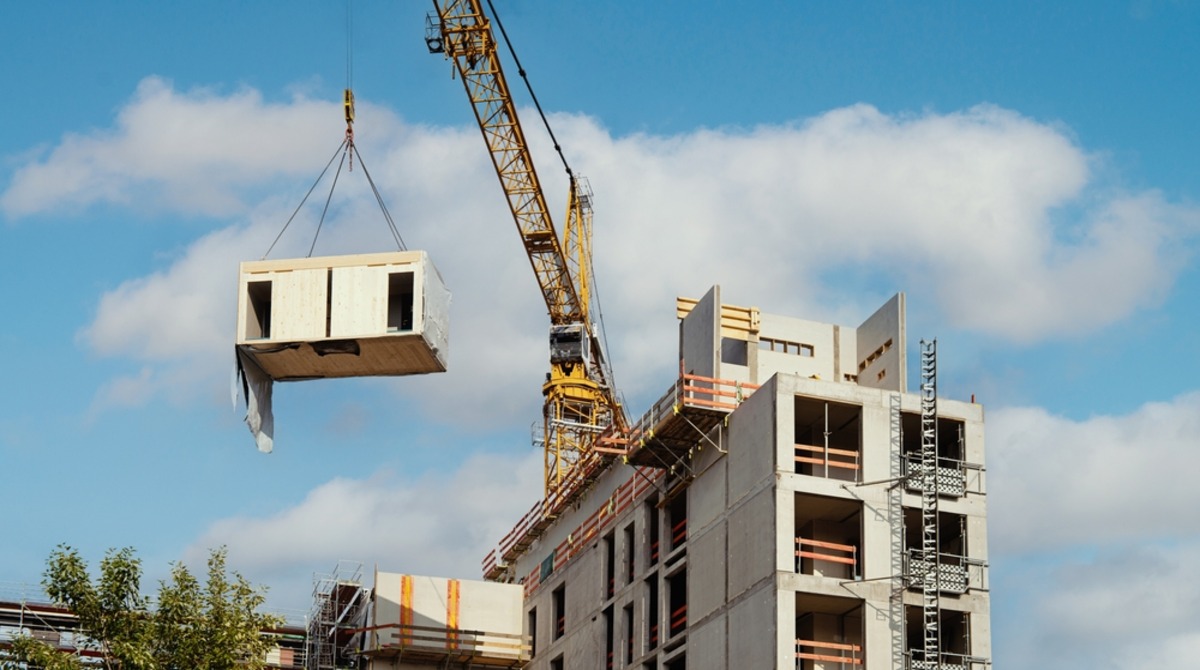
Modular construction differs from conventional building methods by shifting a significant portion of the work off-site. Housing modules are fabricated in a factory-controlled environment and then transported to the site for installation.
For this Waterloo project, modular construction offers several advantages:
-
Faster overall delivery timelines compared to traditional builds
-
Improved schedule certainty due to parallel work streams
-
Reduced weather-related delays
-
Less disruption to neighboring properties during construction
-
Consistent quality control through factory fabrication
ANC Group, the modular homebuilder involved in the project, confirmed that modular units use the same materials and structural standards as conventional construction and are designed to achieve the same building lifespan. Foundations and site servicing can proceed while the building modules are being fabricated, compressing the overall construction schedule.
Site Planning and Construction Approach
The new modular building will be located behind the existing Supportive Housing of Waterloo facility, requiring careful site coordination. As an infill project, logistics such as crane access, module delivery sequencing, and foundation readiness will play a critical role in keeping the project on schedule.
Construction activities are expected to follow a clear sequence:
-
Site preparation and excavation
-
Foundation construction and underground servicing
-
Delivery and placement of modular units
-
Exterior envelope completion and utility connections
-
Interior finishes and systems commissioning
Cambridge Times reports that because much of the interior work is completed in the factory, on-site construction time is significantly reduced. This approach is especially beneficial in residential neighborhoods where limiting construction duration and noise is a priority.
Design Focus and Building Function
Unlike traditional affordable housing, this project is designed as supportive housing, meaning the building will include on-site services tailored to residents’ needs. The design prioritizes durability, accessibility, and operational efficiency.
Key design considerations include:
-
Fully accessible residential units
-
Efficient layouts suitable for aging residents
-
Durable finishes that reduce long-term maintenance costs
-
Space for on-site support staff and services
-
Integration with the existing property without overwhelming the surrounding neighborhood
Residents will be selected through a centralized regional waitlist managed in coordination with community partners, ensuring that housing placements align with both need and long-term support compatibility.
Construction Trades and Workforce Involved
Although modular construction shifts much of the labor to a factory environment, the project still relies on a wide range of skilled construction trades. Trades involved in this development are expected to include:
-
Excavation and site preparation crews
-
Concrete and foundation contractors
-
Modular fabrication specialists and assembly teams
-
Crane operators and rigging crews for module placement
-
Structural carpenters and finish carpenters
-
Electricians for service connections and systems integration
-
Plumbers and pipefitters for domestic water and drainage systems
-
HVAC technicians for heating, ventilation, and climate control
-
Roofing and exterior cladding installers
-
Fire protection and life safety system installers
-
Landscaping and site restoration crews
-
Project managers, safety officers, and quality control inspectors
The modular approach also supports skilled manufacturing jobs within the factory environment, expanding the construction workforce beyond the job site itself.
Addressing a Growing Housing Need
Older adults are increasingly entering the shelter system for the first time, often with complex needs that require stability and support. This project responds directly to that reality by pairing permanent housing with individualized on-site services.
Supportive Housing of Waterloo works with residents to develop tailored support plans, empowering individuals from day one. The model is designed to promote long-term housing stability, reduce pressure on emergency shelters, and improve overall quality of life.
A Model for Future Infill Housing
Beyond its immediate impact, the project demonstrates how coordinated funding, modular construction, and community partnerships can accelerate housing delivery. By reducing construction timelines and uncertainty, modular builds like this one may become an increasingly important tool for municipalities addressing urgent housing needs.
If successful, this project could serve as a template for future small-scale supportive housing developments across the region, particularly in urban infill locations where speed, predictability, and neighborhood compatibility matter most.
With construction expected to begin this summer, Waterloo’s first modular supportive housing project represents a meaningful step forward in addressing homelessness among older adults through thoughtful design, modern construction methods, and collaborative delivery.



