
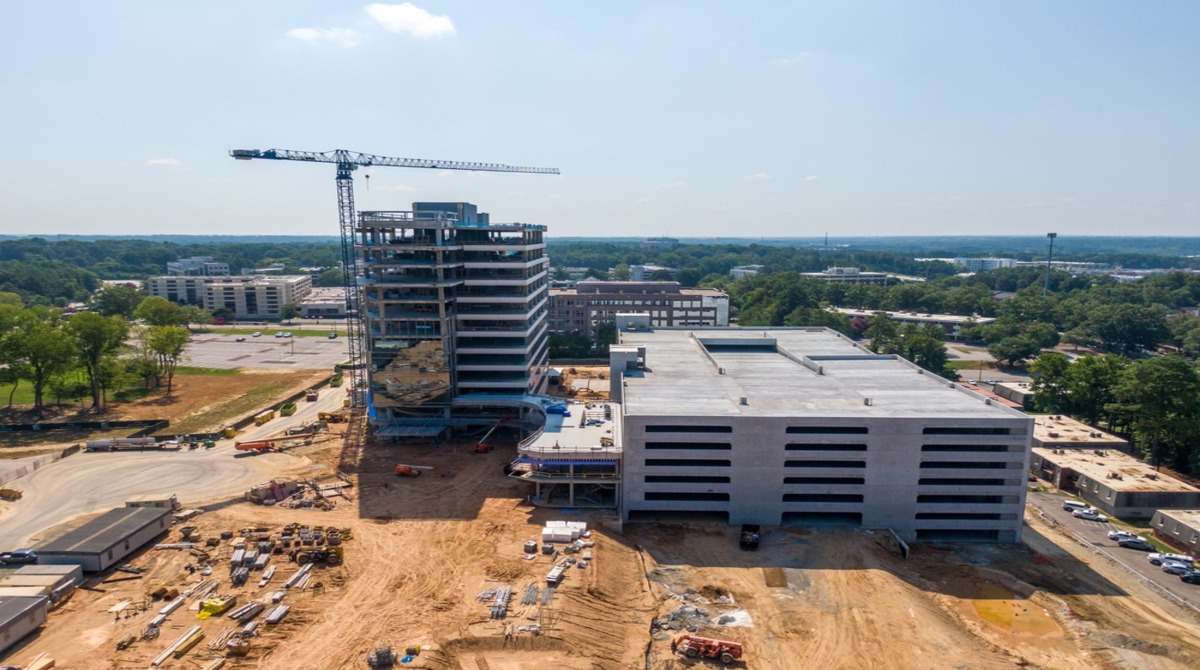
A major redevelopment of Chicago’s former Lincoln Yards site is moving closer to construction after the Chicago Plan Commission approved plans for Foundry Park, a $3 billion mixed-use project proposed for a large portion of the North Side riverfront property. The approval marks a significant milestone for a site that has seen years of delays, ownership changes, and shifting development strategies.
Led by Chicago-based JDL Development in partnership with Kayne Anderson Real Estate, Foundry Park represents a reimagined vision for land once controlled by Sterling Bay. Rather than emphasizing office and commercial density, the new plan pivots toward a residential-led approach that reflects current market conditions and long-term housing demand in the Lincoln Park and Bucktown areas.
A New Direction for a Former Megadevelopment
The Foundry Park site occupies the northern portion of the previously approved Lincoln Yards megadevelopment. Sterling Bay secured approvals for that project in 2019, but only one building was ultimately completed before the plan stalled. Challenges related to financing, infrastructure obligations, and shifting market dynamics halted progress on the broader vision.
JDL Development and Kayne Anderson Real Estate gained control of most of the northern site after lender Bank OZK seized the property last year and sold it to the new ownership group for nearly $84 million. With the change in ownership came a fresh planning approach and the need for new zoning approvals, as the revised proposal differs substantially from the earlier plan.
Plan Commission Approval and Next Steps
The Chicago Plan Commission voted to approve the Foundry Park plan, clearing a key regulatory hurdle. However, the project still requires full approval from City Council before construction can begin. City planning officials indicated that, if approvals continue to move forward, developers could break ground on an initial $700 million first phase as early as this fall.
CoStar reports that the zoning change is central to the project’s progress. The revised zoning framework allows for a more residential-focused mix that aligns with the updated site plan and market realities, replacing the heavier commercial emphasis that characterized the original Lincoln Yards proposal.
Scale, Density, and Building Program
Under the proposal, the site would be rezoned to allow up to 3,737 residential units in total. Approximately 3,300 of those units would be delivered by the JDL and Kayne Anderson partnership, with the balance potentially developed by other owners within the broader site.
The residential program includes a mix of apartments, condominiums, townhouses, and single-family homes. The tallest building proposed within Foundry Park would rise to approximately 520 feet, anchoring the riverfront skyline. Taller glass-clad towers are planned closer to the Chicago River, while lower-rise brick buildings would frame interior streets, plazas, and pedestrian corridors.
Beyond housing, the plan also includes:
- Medical office space
- Traditional office uses
- Retail
- Hotel space
- Network of parks and open spaces
A central plaza and multiple pedestrian-focused streets are intended to knit the development into the surrounding neighborhoods, with Southport Avenue serving as the primary north-south spine through the site.
Infrastructure and Construction Challenges Ahead
While zoning approval represents a major step, significant work remains before vertical construction can proceed at scale. Developers must negotiate with city officials to determine how critical infrastructure will be funded and delivered. This includes new roads, potential bridge connections, utilities, and riverfront improvements.
Infrastructure financing was a key obstacle for the original Lincoln Yards plan. Sterling Bay had agreed to fund infrastructure improvements upfront with the expectation of later reimbursement through tax increment financing. That structure proved difficult to execute, contributing to the project’s stagnation. The Foundry Park team will need to establish a clearer, more feasible approach to infrastructure delivery to avoid similar delays.
From a construction perspective, the project will require extensive site preparation, environmental remediation, utility relocation, and phased infrastructure work before building construction can proceed in earnest.
Ownership Structure and Adjacent Development
Not all of the former Lincoln Yards land is controlled by the Foundry Park developers. A separate buyer, Novak Construction, acquired a smaller northern portion of the site for $34 million late last year. That land was sold by Sterling Bay and its investment partner on the southern section of the property, J.P. Morgan Asset Management. Novak Construction has not yet announced its plans for that parcel.
This fragmented ownership adds another layer of complexity to construction sequencing, infrastructure coordination, and long-term site integration across the broader former Lincoln Yards footprint.
Construction Trades and Workforce Impact
If built as proposed, Foundry Park will generate sustained construction activity over many years. Trades expected to be involved include:
-
Demolition and environmental remediation contractors
-
Mass excavation and earthwork crews
-
Structural concrete forming and placement teams
-
Structural steel and miscellaneous metals
-
Curtain wall, glazing, and façade installers
-
Brick masonry and architectural precast trades
-
Mechanical, electrical, and plumbing contractors
-
Civil contractors for roads, bridges, and utilities
-
Landscape construction and riverfront restoration crews
-
Interior build-out and finishing trades
The scale and phasing of the project will require a large, coordinated workforce, offering long-term opportunities for contractors and subcontractors across multiple disciplines.
A Pivotal Moment for the Site
With Plan Commission approval secured, Foundry Park is closer than ever to transforming a long-dormant industrial site into a dense, mixed-use riverfront community. Whether the project can maintain momentum will depend on successful City Council approval, infrastructure agreements, and market conditions.
For now, the approval signals renewed confidence in large-scale residential development on Chicago’s North Side and a fresh chapter for a site that has been in limbo for years in Chicago.


