
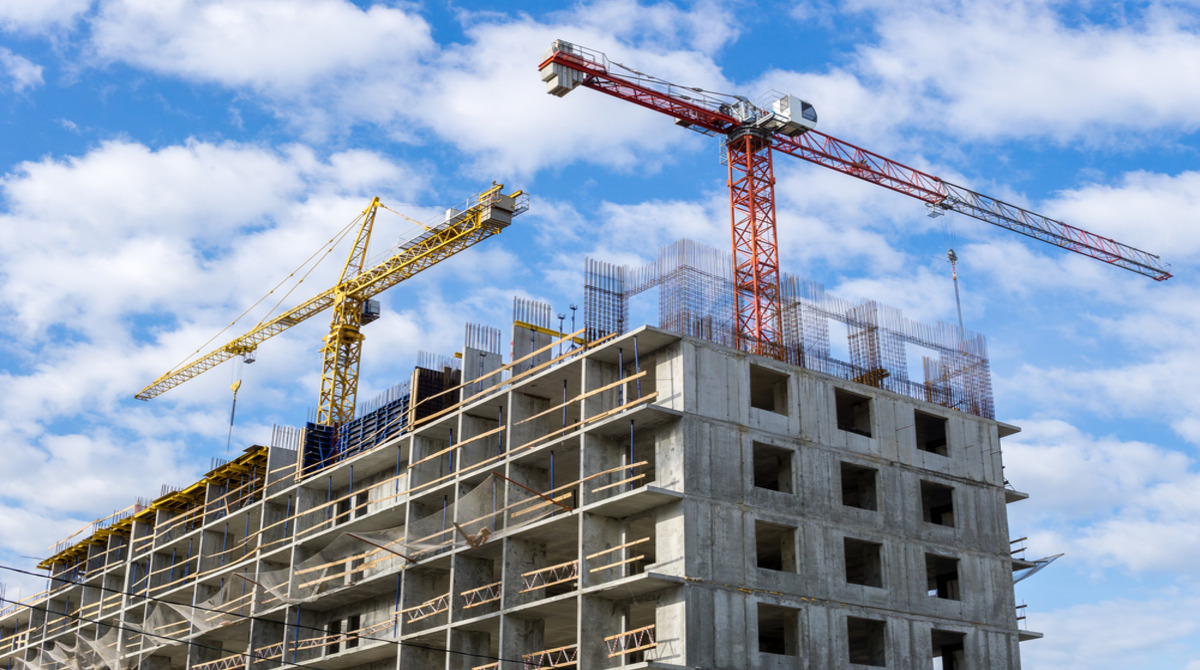
A surface parking lot in Ravenswood is set to become a new mid-rise residential building following approval from the Chicago City Council’s zoning committee. Planned for 4641 N. Ashland Avenue, the five-storey, 78-unit apartment development represents a carefully revised infill project designed to balance added housing density with pedestrian safety, transit access, and neighborhood character.
The project will be built immediately adjacent to an existing 42-unit residential building and reflects nearly a year of refinements driven by aldermanic input, city agency coordination, and community feedback. With zoning approval now secured, the development moves closer to construction, adding both market-rate and affordable housing to a transit-rich corridor in Chicago’s North Side.
Site Context and Overall Project Scope
The new building will rise on an existing surface parking lot, transforming underutilized land into a mid-density residential structure. At five storeys, the building is scaled to fit comfortably within its surroundings while still delivering meaningful housing supply.
In total, the project will deliver 78 apartments, including a mix of studios, one-bedroom, two-bedroom, and a limited number of three-bedroom units. Sixteen apartments will be designated as affordable, supporting broader city housing goals while maintaining economic diversity within the Ravenswood neighborhood.
Chicago.gov reports that the development includes 33 interior parking spaces, significantly below traditional parking minimums. This reduced parking ratio reflects the site’s proximity to transit and bike infrastructure and aligns with city policies encouraging lower auto dependence.
Architectural Design and Massing Strategy
The building’s design emphasizes contextual integration and pedestrian scale. Upper floors are stepped back beginning at the fourth floor, reducing perceived height along the sidewalk and aligning with the scale of nearby residential buildings.
The façade relies on a rhythm of brick and glazing, creating visual continuity along Ashland Avenue while avoiding the monolithic appearance often associated with larger apartment blocks. Metal panel use was intentionally reduced during the design revision process to better align with surrounding masonry buildings.
The primary residential entrance is recessed and subtly curved, creating a clear architectural break in the façade and establishing a distinct sense of arrival. At the corner of Leland Avenue and Ashland Avenue, the building massing strengthens the intersection and reinforces the street edge.
Transportation, Parking, and Pedestrian Safety
One of the most significant design changes involved relocating the parking entrance. Originally proposed off Leland Avenue, the vehicular access was moved to Ashland Avenue to reduce conflicts near Chase Park and improve pedestrian and cyclist safety along Leland.
Parking is deliberately screened from public view, maintaining an active and residential streetscape. In addition, the project incorporates a dedicated loading zone coordinated with the Chicago Department of Transportation to accommodate rideshare and delivery activity without disrupting traffic flow.
The development is well positioned for transit use. Residents will have access to the CTA #9 bus, the Ravenswood UP-N Metra station within half a mile, and nearby neighborhood greenways. Transit information will be displayed in the residential lobby, reinforcing multimodal travel options.
Bicycle Infrastructure and Open Space
Bike accommodations are a central component of the project. The building will include 69 dedicated bicycle parking spaces, exceeding a one-to-one ratio with residential units. A bike maintenance and repair area is also planned, supporting daily and commuter cycling.
Outdoor space is provided through a combination of second-floor private terraces and a fifth-floor amenity roof deck. Together, these spaces total more than 2,000 square feet and offer residents access to natural light, views, and shared gathering areas.
Landscaped parkways along Leland Avenue create a green visual connection to Chase Park. Tree preservation was incorporated into the design, with six existing trees retained and two additional trees planted, within the constraints of utilities and right-of-way requirements.
Construction Timeline and Phasing Outlook
With zoning approval in place, the development team anticipates moving into permitting in 2026. Construction is expected to begin following permit issuance, with delivery targeted after a standard multi-year build schedule typical for mid-rise residential projects of this scale.
The project will require close coordination due to its infill location, adjacency to existing residential uses, and emphasis on minimizing neighborhood disruption during construction.
Construction Trades and Workforce Involved
The Ravenswood apartment project will engage a broad range of construction trades, including:
-
Demolition and site preparation crews
-
Excavation and foundation contractors
-
Concrete formwork carpenters and rebar installers
-
Structural steel and miscellaneous metals workers
-
Bricklayers and masonry restoration specialists
-
Window, glazing, and façade installation crews
-
Electricians and low-voltage technicians
-
Plumbers and mechanical pipefitters
-
HVAC installers and sheet metal workers
-
Drywall, framing, and interior carpentry crews
-
Flooring, painting, and finish trades
-
Roofing and waterproofing specialists
-
Landscaping and streetscape contractors
-
Project managers, safety officers, and quality control teams
Together, these trades will deliver a building that reflects careful planning, revised design intent, and a strong alignment with neighborhood and city priorities.
A Thoughtful Infill Addition for Ravenswood
By transforming a surface parking lot into housing, the 4641 N. Ashland Avenue project demonstrates how context-sensitive design, transportation planning, and community-driven revisions can support responsible urban growth. With its mix of unit types, affordable housing component, reduced parking, and strong pedestrian focus, the development adds density while reinforcing the character and livability of Ravenswood.
As construction moves closer, the project stands as an example of how incremental infill can play a meaningful role in meeting Chicago’s housing needs without overwhelming established neighborhoods.



