
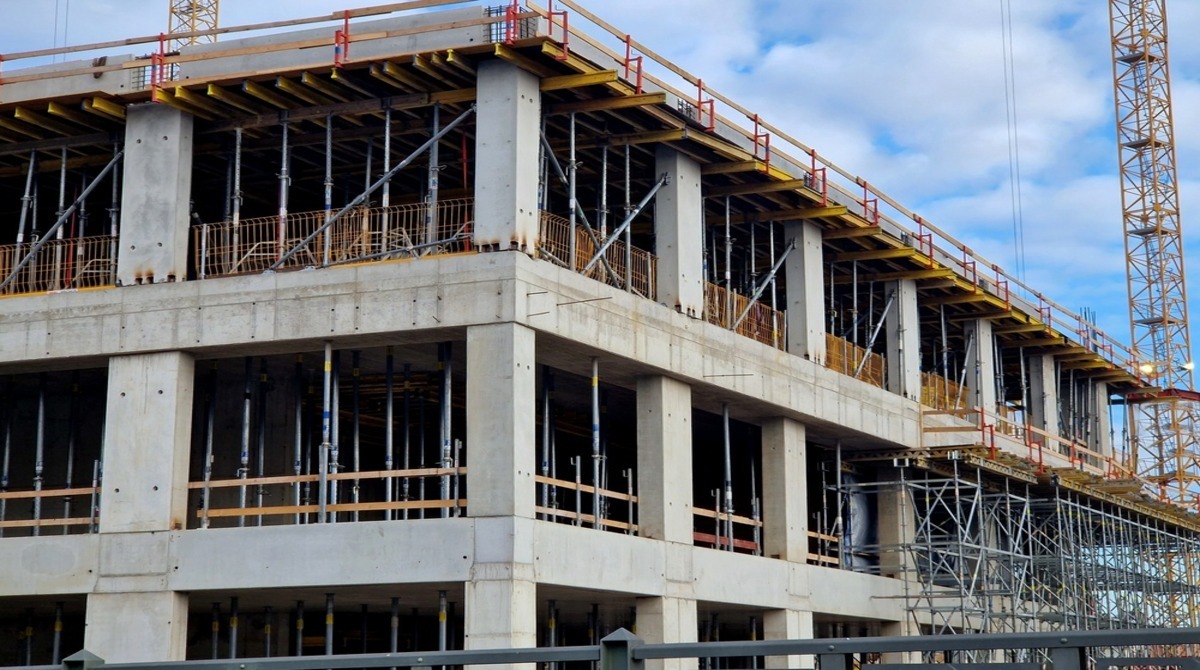
Plans are advancing for a new multi-modal transportation hub known as “The Go Hub,” proposed at 2107 South Pulaski Avenue in Chicago’s Lawndale neighborhood. The five-story facility, led by Chicago-based nonprofit Equicity and designed by architect Oldile Compagnon, will replace two vacant lots located just north of West Cermak Road and steps from the CTA Pulaski Pink Line station.
With an estimated project value of approximately $12 million, the development combines transportation infrastructure, community programming space, and energy-efficient design features. While the project team continues fundraising for the full build-out, early work such as a plaza for programming and public use is already being planned through grant funding.
For contractors and construction professionals, the project presents an interesting combination of building types, blending institutional space, workshop areas, storage facilities, and public realm improvements within a relatively compact urban site.
Site Planning and Exterior Development
From a construction standpoint, the transformation of vacant parcels into an active transportation and community facility requires careful site preparation and grading, as well as the installation of new utility connections and drainage systems.
Chicago Yimby reports that plans call for the ground level to include a small 10-space parking area equipped with electric vehicle charging infrastructure. Installing EV charging requires coordination between electrical contractors, utility providers, and civil crews to ensure adequate power capacity and conduit routing.
A large lawn area with seating and a small stage will also be constructed, requiring landscape grading, irrigation systems, and hardscape installation. Public features such as a bike fix station and outdoor gathering areas must be designed for durability and frequent use, making material selection and foundation work especially important.
Interior Layout and Functional Spaces
Below grade, the basement level will focus on bike parking and storage. Constructing this type of space typically involves reinforced concrete foundations, moisture control systems, and ventilation to maintain safe air quality in enclosed storage areas.
Above ground, the building will house a variety of functional areas, including a community center, workshop space, office areas, and a shared kitchen. One of the key design elements is a double-height bike workshop and classroom space, which requires structural planning for larger open spans, increased ceiling heights, and integrated mechanical systems to handle ventilation and lighting requirements.
Community hoteling and office spaces will also be incorporated into the upper floors, along with new offices for Equicity. Interior construction will involve standard commercial build-out elements such as partition framing, drywall, flooring, mechanical and electrical distribution, and specialty lighting suited to educational and workshop environments.
Rooftop Design and Energy Features
One of the project’s most distinctive architectural features is the rooftop terrace, which will be shaded by solar panels arranged in a sawtooth motif extending down the building’s façade. Installing rooftop solar systems requires structural analysis to ensure the roof can support panel loads, as well as coordination between electrical contractors and solar specialists to connect the system safely to the building’s power infrastructure.
Rooftop terraces also require waterproofing membranes, drainage systems, guardrails, and durable walking surfaces. These elements must be installed carefully to ensure long-term performance and prevent water infiltration.
Construction Phasing and Funding Considerations
Because the project relies in part on fundraising and grants, construction may proceed in phases, beginning with site improvements such as the public plaza and landscaping. Phased construction requires careful scheduling and staging to ensure that completed areas remain accessible and protected while later phases are built.
Projects delivered in phases often involve temporary barriers, adjusted utility connections, and flexible scheduling to accommodate funding timelines. Contractors working on these projects must coordinate closely with owners and designers to manage sequencing effectively.
Multi-Modal Infrastructure and Urban Connectivity
Facilities like the Go Hub require integration with existing transportation infrastructure. Proximity to the CTA Pulaski Pink Line station means that pedestrian access, sidewalk improvements, and lighting design must be carefully coordinated to ensure safe and efficient movement to and from the site.
Bike storage, repair stations, and workshop spaces also require durable materials, heavy-duty mounting systems, and well-planned circulation paths. Designing these features involves collaboration between architects, structural engineers, and specialty equipment suppliers.
Construction Trades Involved
A project of this type typically brings together a wide range of skilled trades, including:
- Site preparation and excavation crews
- Concrete foundation and flatwork contractors
- Structural steel or structural framing installers
- Masonry and building envelope contractors
- Roofing and waterproofing specialists
- Electrical contractors, including EV charging and solar installation
- Mechanical and HVAC technicians
- Plumbing contractors
- Interior carpenters and drywall installers
- Flooring, painting, and finishing crews
- Landscape and hardscape contractors
- Solar panel and renewable energy installers
- Civil contractors for sidewalks, grading, and drainage
Building the Next Generation of Urban Infrastructure
The Go Hub illustrates how modern transportation infrastructure projects are evolving beyond traditional transit facilities. By combining mobility services, workshop space, and community areas within a single structure, the development demonstrates how thoughtful design and construction can support changing transportation needs.
For construction professionals, projects like this highlight the importance of flexible building systems, phased delivery strategies, and coordination across multiple trades. As cities continue to invest in infrastructure that integrates transportation, public space, and sustainability, developments like the Go Hub offer a glimpse into the future of urban construction and design.



